
The 24-Hour Recovery Window: What to Do After a Hard Workout
Written and clinically reviewed by Dr. Ashley Aguero, DC — October 14, 2026
A hard session ends when you rack the bar or cross the line. Recovery starts there, and the next 24 hours shape how the following session goes.
Most of what helps in that window is unglamorous. Sleep, food, fluid and some easy movement do most of the work. Recovery tools come after those, not instead of them. Here is the order that matters.
What happens in the 24 hours after a hard session?
Your body starts replacing the fuel you used and repairing the tissue you loaded. You may feel flat, stiff or sore, often more the next day than on the day itself.
That is the normal cost of training hard. The goal of the next 24 hours is not to feel nothing. It is to arrive at the next session ready to train.
What should I do in the first hour?
Eat and drink. A meal or snack with protein and carbohydrate within a couple of hours of finishing is a sensible default, along with enough fluid to start replacing what you lost through sweat. San Diego summers and early-morning track sessions both make that easy to underestimate.
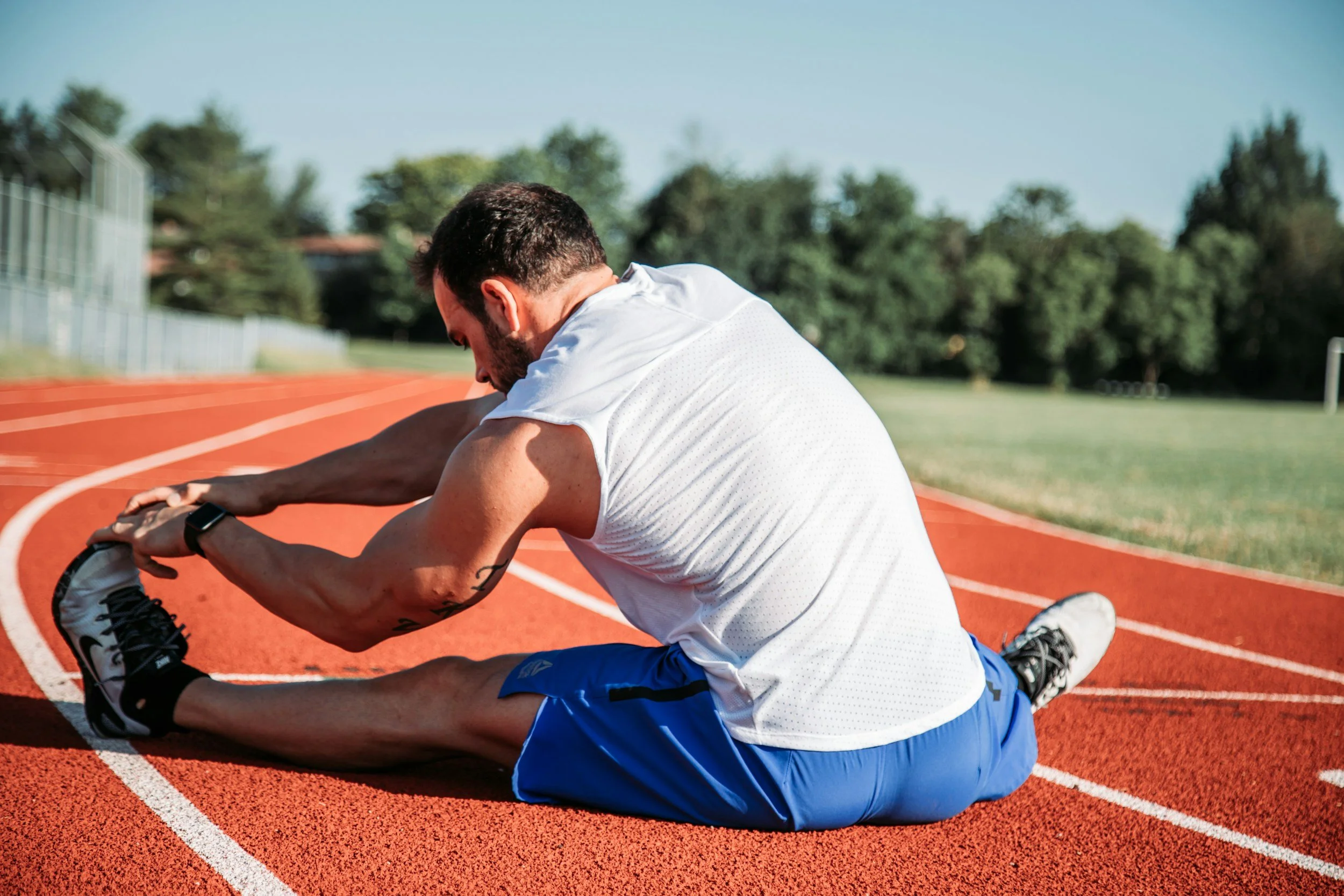
A short, easy cool-down helps many people feel less stiff afterwards. A few minutes of walking, easy cycling or light mobility work is enough. It does not need to be long.
What matters most overnight?
Sleep. It is one of the biggest recovery levers you control, and nothing you buy replaces it.
A hard evening session can make it harder to fall asleep. Leave some time between training and bed where you can, and keep the routine consistent. One short night is not a crisis. A week of them usually shows up in training.
Is soreness the next day normal?
Yes, within limits. Delayed-onset muscle soreness often develops within the first day after unfamiliar or heavy training and may be most noticeable over the following one to three days. It usually feels like a dull, spread-out ache that eases as you warm up.
It is not a measure of how good the session was. Plenty of productive sessions leave little soreness, and new movements can leave a lot.
Should I train again the next day?
Often, yes — but the next session should match how you are recovering. Training the same area hard again while it is still very sore tends to go badly. Easier work, a different movement pattern or a lighter version of the same session is often a better choice.
If you lift, our piece on when to train through and when to stop covers how to tell ordinary soreness from something worth getting looked at.
Where do recovery tools fit?
After the basics. Recovery tools may help you feel less sore, stiff or heavy in the short term, but they do not replace sleep, nutrition, hydration or sensible programming.
At ELATE, that can include Normatec compression. Some athletes find compression boots help their legs feel less heavy or sore after hard training, although the evidence for speeding physiological recovery is limited. Our honest take on Normatec covers what it may help with and what it does not do.
Cupping, instrument-assisted soft-tissue work and Sports Myofascial Therapy may also help some athletes feel less stiff or move more comfortably in the short term. These approaches work best as adjuncts to movement, training and appropriate load management rather than as stand-alone recovery strategies.
If you only have time for one thing, choose sleep.
When is soreness not normal?
Get it checked if pain is sharp, sits in one specific spot, or stops you moving normally. The same applies to swelling, bruising you cannot explain, pain that keeps getting worse after three days, or anything that changes how you walk.
Seek urgent medical care for severe or unexpectedly intense muscle pain, unusual weakness, marked swelling, or dark/tea/cola-colored urine after hard training. Those symptoms can require medical testing and are not something to treat as ordinary post-workout soreness.
Frequently Asked Questions
How long does recovery take after a hard workout?
Most people feel close to normal within one to three days. It depends on how hard and how unfamiliar the session was, how well you slept and ate, and your training history.
What is the most important thing for recovery?
Sleep. Food and fluid come next. Recovery tools can help you feel better, but they sit behind the basics.
Is it OK to train when I am sore?
Usually, if you choose the session well. Easier work or a different movement pattern is often a better choice than training the same sore area hard again.
Does Normatec help recovery?
Some athletes find compression boots, sleeves or hip attachments help their legs, arms or hips feel less heavy or sore after hard sessions. Research suggests the effects on recovery are small or inconsistent, so compression is best used as an optional recovery tool rather than a replacement for sleep, nutrition or sensible training.
When should I see someone about soreness?
If pain is sharp, localized, getting worse after three days, or changes how you move, it is worth getting assessed. Severe or unexpectedly intense muscle pain, unusual weakness, marked swelling or dark/tea/cola-colored urine warrants urgent medical care.
Recovery support in San Diego
If recovery keeps running behind your training, or the same area stays sore from one week to the next, it is worth an assessment. A 60-minute new patient visit at our North Park clinic looks at how you move, what your training demands are and where symptoms keep showing up, then builds a plan around your goals.
